Keeping a residential lawn healthy in the Omaha metro requires more than mowing whenever the grass gets tall. Nebraska’s changing seasons create different challenges throughout the year, and homeowners in communities such as Elkhorn, Papillion, Bellevue, La Vista, and Gretna may also encounter property-specific concerns. For help building a plan that fits your property, call Omaha Lawnscaping Solutions at (402) 315-3540.
Spring: Start With a Lawn Assessment
Spring is the time to see how your lawn handled winter. Look for thin areas, damaged turf, weeds, drainage concerns, and areas where grass appears slow to recover.
Elkhorn homeowners with newer developments may need to pay particular attention to turf establishment and soil disturbed during construction. Newly planted lawns can require a different approach from mature turf.
In Papillion and Bellevue, established lawns may need attention after months of snow, foot traffic, and winter conditions. Shaded areas beneath mature trees can also become more noticeable as the growing season begins.
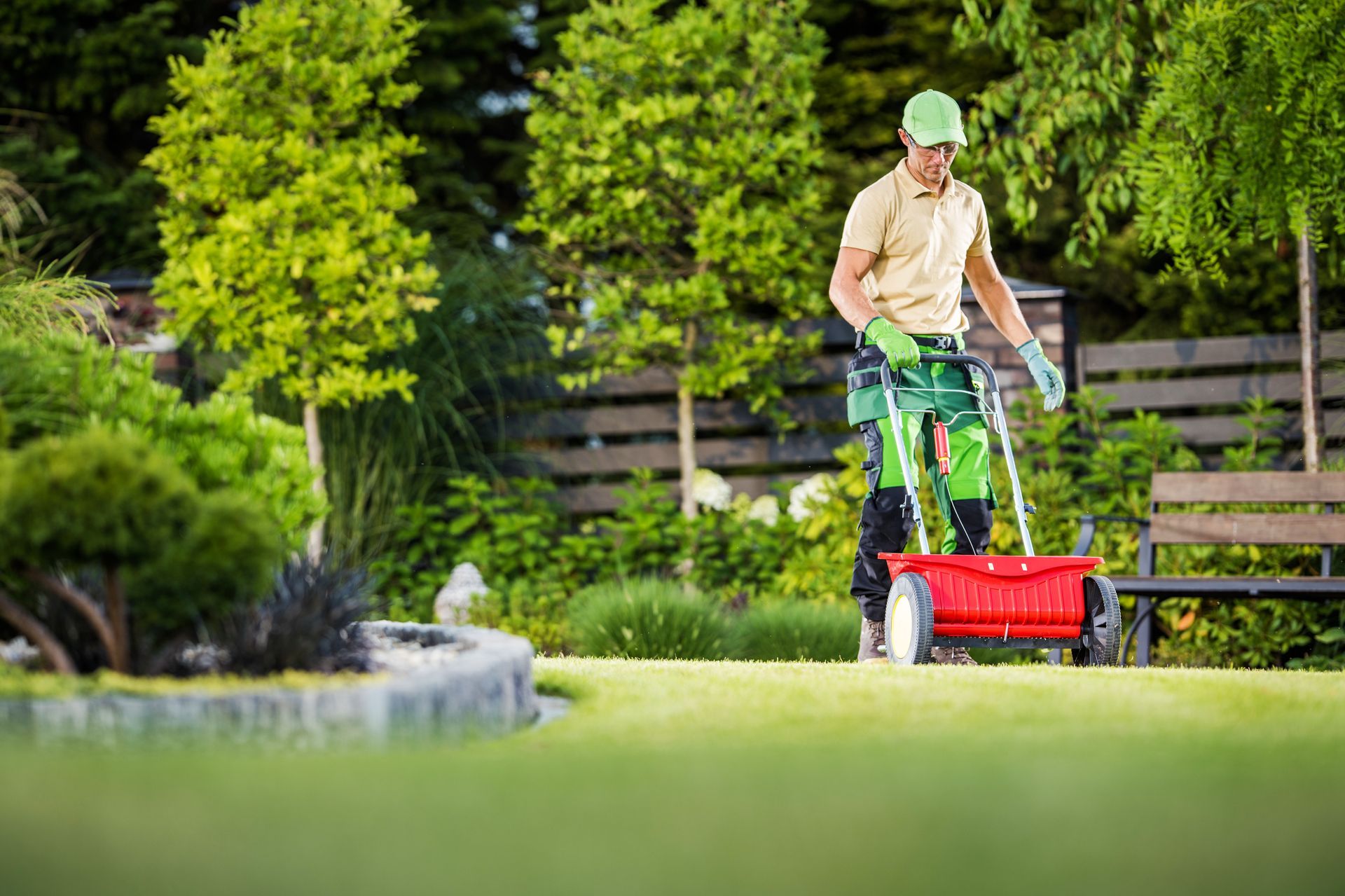
Spring lawn care treatment can be planned around the condition of the property rather than applying identical services to every lawn.
Summer: Protect Turf From Heat and Stress
Omaha summers can put significant stress on residential turf. Heat, limited rainfall, foot traffic, and improper mowing can all contribute to thinning or discolored grass.
Watering should be managed carefully, especially in areas where soil drains quickly. At the same time, areas with drainage problems may require a different approach.
Homeowners should also pay attention to mowing practices. Cutting grass too short can increase stress during hot weather, while allowing excessive growth can create its own problems.
Consistent residential lawn care during summer helps homeowners monitor the lawn and respond to developing issues before they become widespread.
Fall: Prepare the Lawn for Winter
Fall is an important season for residential lawn care in Omaha. Cooler temperatures can create favorable growing conditions while giving homeowners an opportunity to address issues that developed during summer.
La Vista and Gretna properties may benefit from paying close attention to soil conditions during this period. Compacted or inconsistent soil can affect how water and nutrients reach grass roots.
Fall maintenance can also help homeowners prepare turf for winter. Addressing thin areas, maintaining appropriate mowing practices, and completing appropriate seasonal treatments can support a healthier lawn going into dormancy.
Winter: Plan Instead of Neglecting
Grass growth slows dramatically during winter, but that does not mean homeowners should stop thinking about their lawns.
Avoiding unnecessary traffic on frozen turf can help reduce damage. Winter is also a useful time to evaluate what worked during the previous season and identify improvements for the next year.
Planning ahead can make spring maintenance easier, particularly for homeowners who experienced recurring problems with weeds, drainage, shade, or thin grass.
Different Suburbs, Different Lawn Challenges
Omaha’s suburbs do not all have identical residential landscapes.
Elkhorn’s newer developments may feature recently established turf and recently disturbed soil. Papillion and Bellevue contain many established properties where mature trees and shade can affect turf growth. La Vista and Gretna can present varying soil and drainage conditions from property to property.
These differences are why a professional lawn maintenance service can be useful for homeowners who want consistent care without guessing what their lawn needs. A local lawn care company can evaluate the property, identify seasonal priorities, and help create a schedule that fits the lawn’s condition.
A Consistent Routine Can Make a Difference
Successful residential lawn care is generally not about one treatment or one visit. It is about maintaining the lawn throughout the year and adjusting the approach as conditions change.
A seasonal plan can help homeowners stay ahead of common issues while keeping their lawns attractive and functional. Regular monitoring also makes it easier to identify problems while they are still manageable.
Frequently Asked Questions
What Type of Grass Is Best for Omaha-Area Suburbs?
Cool-season grasses such as Kentucky bluegrass and tall fescue perform well across Elkhorn, Papillion, Bellevue, and surrounding communities. Tall fescue is often preferred for its heat tolerance during Nebraska summers, while Kentucky bluegrass spreads well and provides dense, attractive turf in well-maintained lawns.
When Should Omaha Suburban Homeowners Aerate Their Lawns?
Fall is typically the best time to aerate cool-season lawns in the Omaha metro. Aerating in late August through September allows grass to recover and thicken before cold weather arrives. Overseeding immediately after aeration takes advantage of open soil channels and warm ground temperatures to improve germination rates.
How Often Should Suburban Omaha Lawns Be Fertilized?
Most residential lawns in the Omaha suburbs benefit from a 3-step or 6-step fertilization and weed control plan spread across the growing season. Early spring applications target green-up and weed prevention, mid-season treatments maintain color and density through summer stress, and fall applications are critical for root development and winter hardiness.
How Often Should an Omaha Lawn Receive Professional Care?
The ideal schedule depends on the lawn, turf type, property conditions, and season. Many homeowners benefit from a recurring seasonal program rather than occasional service.
When Should Homeowners Begin Lawn Care in Spring?
Spring service should begin when local growing conditions allow the lawn to be evaluated and maintained effectively. The exact timing can vary based on weather and turf conditions.
Why Does Lawn Care Differ Between Omaha Suburbs?
Properties can differ in turf age, soil, shade, drainage, and construction history. These factors can influence what type of care a lawn needs.
Get a Free Quote for Your Suburban Omaha Lawn
Residential lawn care across Omaha’s suburbs is not a one-size-fits-all service. Omaha Lawnscaping Solutions serves homeowners throughout the metro, including Elkhorn, Papillion, Bellevue, La Vista, and Gretna, offering lawn maintenance programs that range from seasonal fertilization and weed control to aeration, overseeding, and full-season mowing.
Call (402) 315-3540 to request your free estimate, or contact the team online to get started before the season fills up. You can also find and review Omaha Lawnscaping Solutions on Google Maps.
Recent Posts