What Does Residential Lawn Care Actually Include? A Guide for Omaha Homeowners

August 14, 2026

Share this article

Residential lawn care in Omaha, NE, covers more than a quick mow, and many homeowners are surprised by how many services fall under that umbrella. This guide breaks down each core component so you can understand what your lawn may actually need to stay healthy through Nebraska's challenging seasons.

The Core Services Residential Lawn Care Typically Includes

Residential lawn care generally covers a set of recurring services designed to keep grass healthy, weed-free, and looking its best. Here is what most programs include.

Mowing and Edging

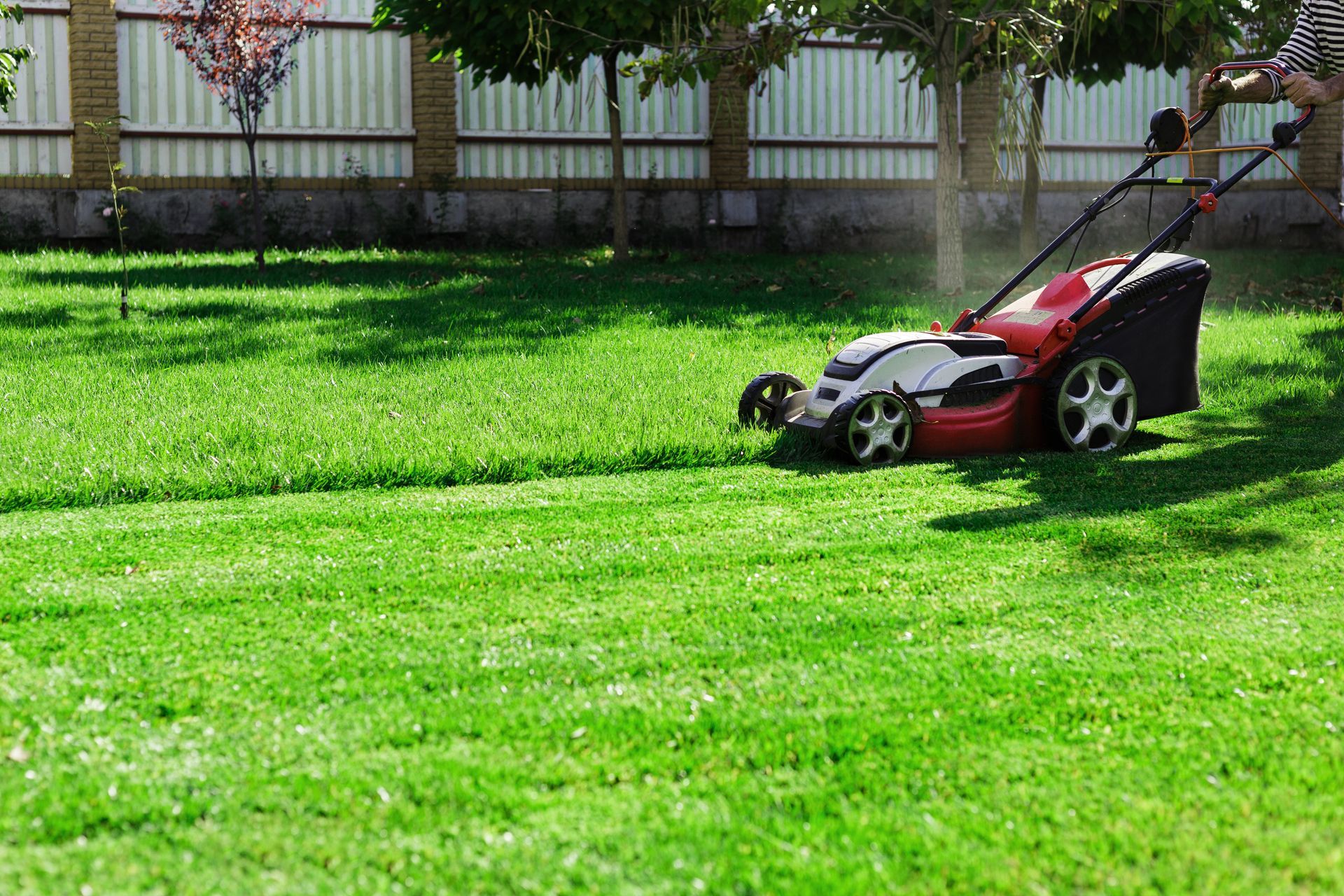
Regular mowing keeps grass at the right height for healthy root development. In Omaha, NE, residential lawn care crews typically adjust mow height based on the season, cutting higher during summer heat to protect roots from drought stress.

Fertilization

Fertilization feeds the soil and grass with the nutrients needed for dense, green growth. Nebraska lawns seeded with tall fescue or Kentucky bluegrass, the two most common cool-season grasses in this region, generally benefit from a fall-focused fertilization schedule when soil temperatures support uptake and root strengthening.

Weed Control

Weed control often involves both pre-emergent and post-emergent treatments. Pre-emergent applications in early spring can help stop crabgrass and broadleaf weeds before they take hold, which is especially important in the clay-heavy soils common across many Omaha neighborhoods.

Aeration

Core aeration involves pulling small plugs of soil from the lawn to reduce compaction and improve water and nutrient penetration. Compacted soil is a common issue in Omaha yards, particularly in older neighborhoods where foot traffic and heavy clay content are factors. Fall is the preferred window for aerating cool-season grasses in this area.

Overseeding

Overseeding pairs well with aeration. Spreading new grass seed over existing turf helps fill in thin or bare patches. For homeowners with tall fescue or Kentucky bluegrass lawns, a late-August to mid-September overseeding window typically gives seed the best chance to establish before winter.

How Do You Know What Your Omaha Lawn Actually Needs?

The right service mix depends on your lawn's current condition, grass type, and the season. A few things to evaluate include soil compaction, weed pressure, bare spots, and how your grass responded to the previous summer's heat and drought.

Nebraska summers can be hard on cool-season grasses. If your lawn looked thin or burned out by August, that may signal a need for overseeding, adjusted fertilization timing, or improved irrigation practices heading into next spring.

Ready to Build a Lawn Care Plan for Your Omaha Home?

A healthy lawn in Omaha, NE, starts with knowing what your yard needs and when. Omaha Lawnscaping Solutions can help you put together a plan that fits your grass type, your schedule, and your goals. Explore the full list of available lawn care services or reach out today to request a free quote. Call 402-315-3540  to get started.

Recent Posts

August 14, 2026
Choosing between a local lawn care company and a national chain affects your lawn's health, your budget, and the quality of service you receive in Omaha, NE. In 2026, more homeowners across Douglas and Sarpy counties are asking this question before signing a service agreement. Understanding the key differences helps you make a smarter choice.
Landscaping workers mowing grass and maintaining a lawn with gardening equipment.
August 14, 2026
Follow this lawn care maintenance schedule for Omaha, NE. Omaha Lawnscaping Solutions covers every season—get a free quote today.
Gardener mowing green grass with an electric lawn mower during routine lawn maintenance.
August 14, 2026
Is lawn care treatment safe for pets and kids? Omaha Lawnscaping Solutions explains re-entry windows and product options. Get a free quote today!
Show More