Timing your lawn care around Omaha's heavy clay soil is one of the most important decisions a homeowner can make to achieve a thick, green lawn that holds up through the region's demanding seasons. Proper lawn care treatment in Omaha, NE, accounts for the fact that clay compacts faster than almost any other soil type, limiting the air, water, and nutrients that grass roots depend on. This guide covers the best windows for aeration, why late summer and early fall are the optimal seasons for clay lawns, and how pairing aeration with fertilization can produce lasting results.
Why Clay Soil Makes Aeration a Priority in Omaha
Clay soil is particularly prone to compaction. When foot traffic, mowing equipment, and freeze-thaw cycles press the soil particles together, roots can no longer grow deep or access nutrients effectively. Omaha, NE, sits in the heart of the Midwest with a climate that includes cold winters, hot summers, and rainfall patterns that cause clay to swell and shrink repeatedly through the year. That cycle speeds up compaction significantly.
Aeration solves this by pulling small plugs of soil from the ground, creating channels for air, water, and fertilizer to reach the root zone. For Omaha homeowners dealing with clay, this is not a luxury service. It is a fundamental part of any effective lawn maintenance plan in Omaha, NE.
Signs Your Clay Lawn Needs Aeration
- Water pools or runs off instead of soaking in after rain.
- The lawn feels hard and almost spongy underfoot in dry conditions.
- Grass thins out in high-traffic areas like pathways and play zones.
- You notice shallow, weak root systems when pulling a small plug by hand.
When Should I Aerate My Lawn in Omaha?
Late summer through early fall is widely regarded as the best window for aerating cool-season grass lawns in Omaha, NE. Most lawns in this area are planted with tall fescue, Kentucky bluegrass, or perennial ryegrass. All three are cool-season grasses that experience their strongest growth periods in the fall, roughly from late August through October.
Aerating during this window gives the grass an immediate opportunity to recover and fill in the open channels before cold weather arrives. Soil temperatures are still warm enough for root growth, but air temperatures are cooling down, which reduces heat stress on the turf. Scheduling turf care in Omaha, NE, during this period consistently produces better results than waiting until spring.
A Simple Seasonal Aeration Calendar for Omaha
- Late August: An acceptable starting point once nighttime temperatures begin to drop.
- Early to Mid-September: The sweet spot for most Omaha lawns; soil is warm, turf growth is active.
- Late September to Early October: Still effective, especially for overseeding at the same time.
- Spring (April to May): A secondary option, but spring aeration can increase weed pressure by opening soil during peak weed germination.
Is Aeration Worth It for Clay Soil?
Aeration is one of the highest-return turf care services available for clay soil properties. Clay holds nutrients reasonably well, but those nutrients cannot reach roots when the soil is compacted. Aeration breaks that barrier. Lawns that receive annual or biennial aeration on clay soil typically show measurable improvement in color, density, and drought resistance over time.
The key is consistency. A single aeration can yield visible results within two to four weeks, but repeating the process each fall compounds those benefits season after season. Investing in professional lawn maintenance in Omaha, NE, on a regular schedule is the most reliable way to see those long-term gains on clay.
Pairing Aeration With Fertilization for Maximum Results
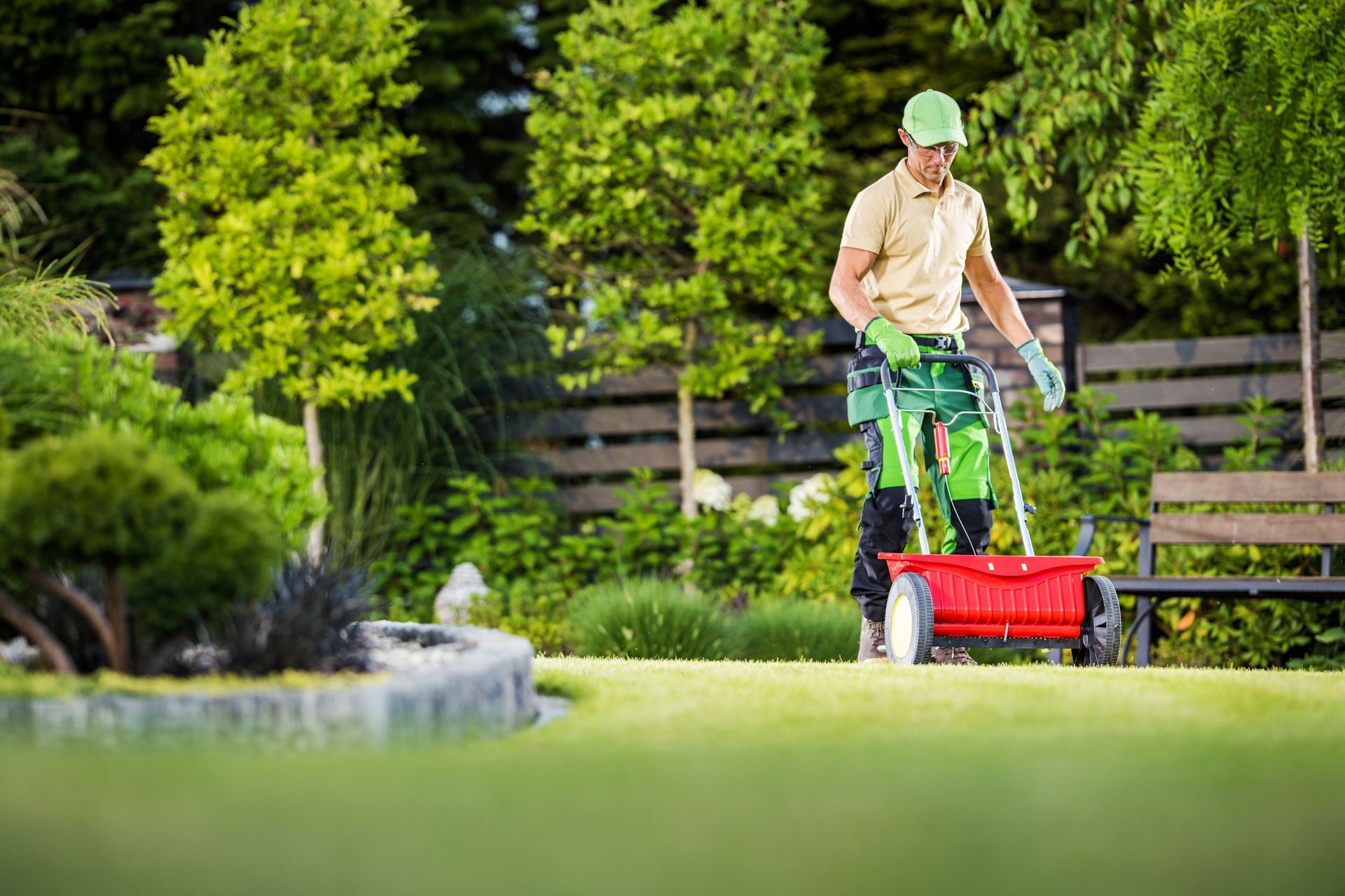
Aeration and fertilization work best as a team. Immediately after aeration, the open channels in the soil allow fertilizer to travel directly to the root zone rather than sitting on top of a compacted surface. This is especially valuable in Omaha, where clay's density can otherwise slow nutrient absorption significantly.
A fall fertilization applied right after aeration helps cool-season grasses store energy in their root systems before winter. That stored energy drives faster green-up in the spring and helps the lawn resist weed encroachment early in the season. For a complete breakdown of treatment program options, visit the Lawn Care Treatment Services page.
What Type of Fertilizer Works Best After Aeration?
A slow-release nitrogen fertilizer applied in early fall is generally recommended for Omaha lawns after aeration. Slow-release formulas feed the turf steadily over several weeks without pushing a flush of tender growth that could be damaged by the first frost. Phosphorus and potassium in the blend also support root development and cold hardiness through the winter months.
Should I Overseed at the Same Time?
Overseeding immediately after aeration is an excellent strategy for thin or bare Omaha lawns. The plugs left behind create ideal seed-to-soil contact. Cool-season grass seed germinated in early fall has several weeks of warm soil temperatures to establish before freeze-up. Combining aeration, fertilization, and overseeding in a single fall visit can transform a struggling clay lawn in one season. This combined approach is a core part of professional lawn care treatment in Omaha, NE, for properties dealing with persistent clay compaction.
Get Expert Help With Your Fall Aeration and Lawn Care Plan
Aeration timing, fertilizer selection, and overseeding rates all depend on the specific condition of your lawn and soil. Getting those details right matters more on clay soil than on almost any other turf type. Omaha Lawnscaping Solutions offers professional lawn care treatment in Omaha, NE, designed specifically for the compaction challenges clay lawns face in this region. Call 402-315-3540 or contact the team online to request a free quote before the fall season fills up. You can also find and review Omaha Lawnscaping Solutions on Google to see what local homeowners are saying.
Recent Posts