Many Omaha homeowners invest in lawn treatments and then unknowingly reduce their effectiveness with a few simple but costly mistakes. Proper lawn care treatment in Omaha, NE, requires more than just applying a product. What happens after the treatment can determine whether your lawn thrives or the investment goes to waste.
Omaha's climate adds its own challenges. The area experiences hot, humid summers, cold winters, and unpredictable spring weather. On top of that, the heavy clay soils common across Douglas County compact easily, making it harder for nutrients and treatments to reach grass roots. Knowing what not to do after a lawn application in Omaha, NE, can make a real difference in how your lawn responds.
Mowing Too Soon After a Treatment
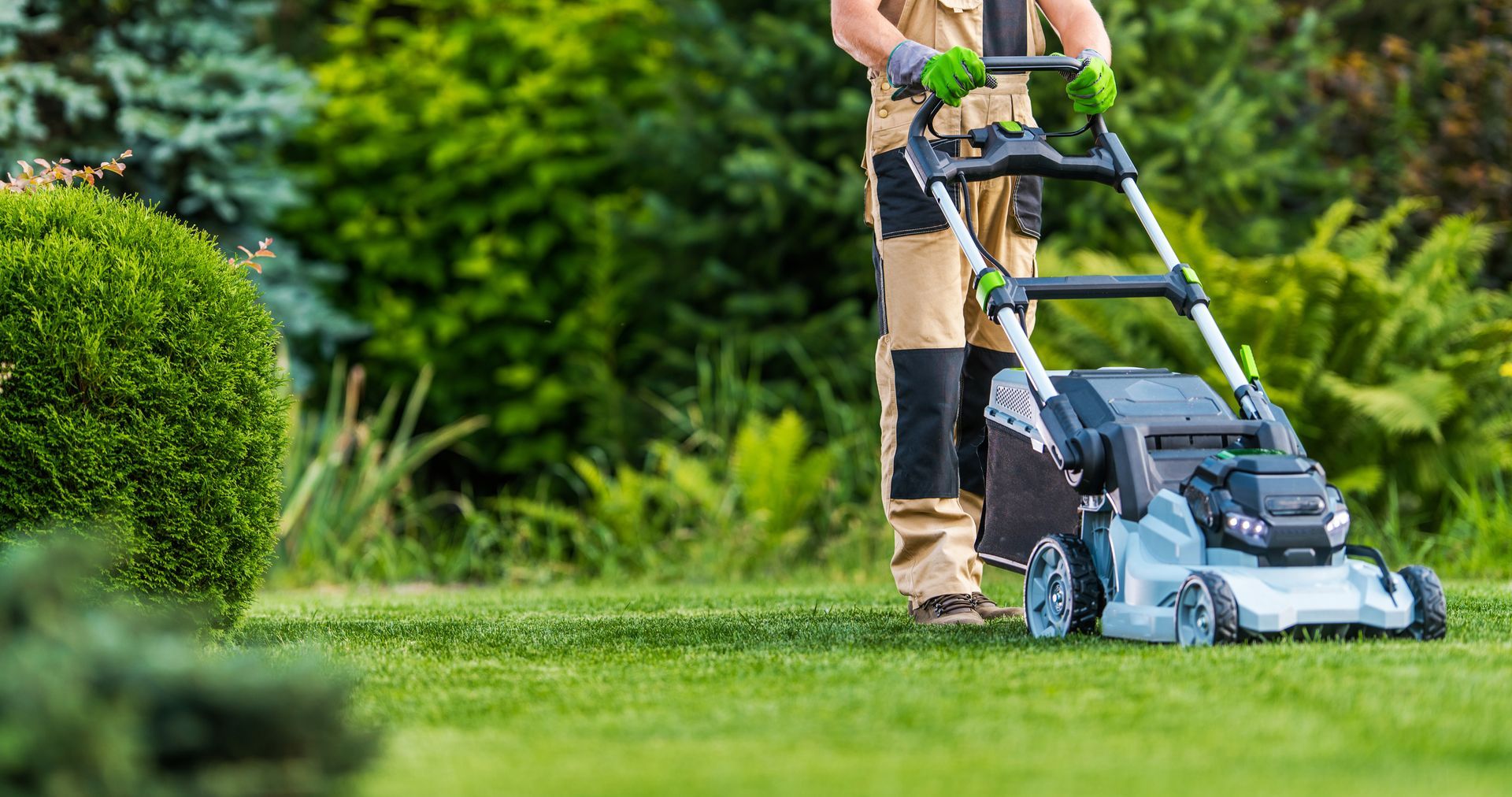
Mowing too soon after a lawn treatment is one of the most common mistakes homeowners make. Most fertilizers and weed control products need time to absorb into the soil and leaf surface before anything disturbs them. If you mow within 24 to 48 hours of an application, you can strip away product that has not yet been taken up by the grass.
A good rule of thumb is to wait at least two days after a treatment before mowing. You should also mow before a scheduled treatment whenever possible. That way, the grass is at the right height to absorb nutrients evenly.
Watering at the Wrong Time
Watering timing matters just as much as watering amount. Some products, like pre-emergent weed control, need light watering shortly after application to activate. Others, like post-emergent broadleaf weed killers, need to stay dry on the leaf surface for several hours to work properly.
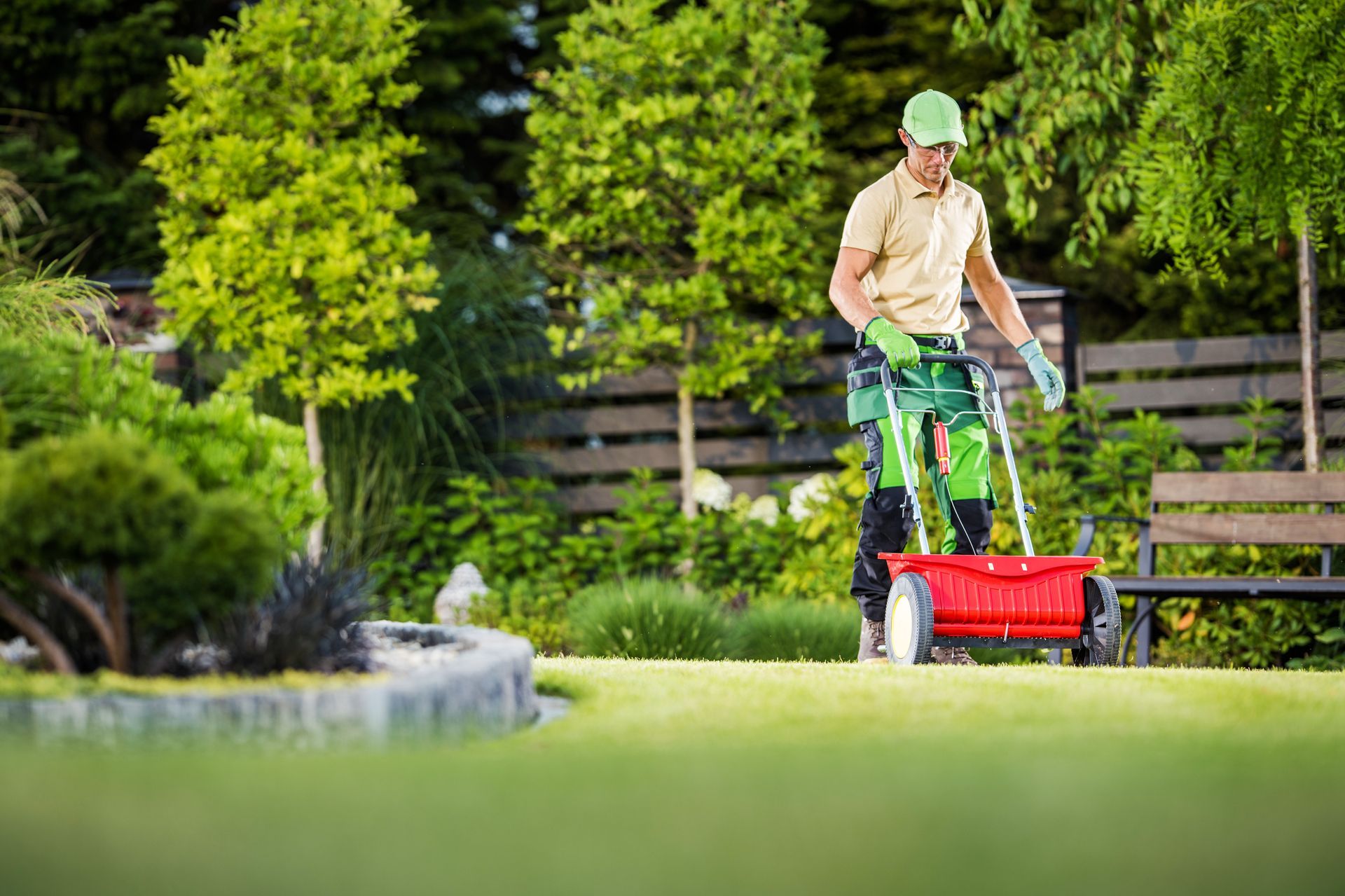
Watering too soon after a contact herbicide rinses the product off before it can be absorbed. Watering too late after a granular fertilizer leaves the product sitting on top of the grass, which can burn the blades in Omaha's summer heat. Check the product label or ask your lawn care provider what the watering window looks like for each treatment.
What Happens if You Water Too Early After Fertilizer?
Watering too early after a granular fertilizer application can dilute the product and reduce absorption. Granular treatments are designed to break down gradually into the soil when given the right moisture level. Flooding them with water right away can push nutrients past the root zone before the grass can use them.
For homeowners seeking effective turf care in Omaha, NE, this risk is highest during the June heat ramp when lawns are already stressed. Stick to light, targeted watering in the days after a granular treatment.
Skipping Aeration on Clay Soil
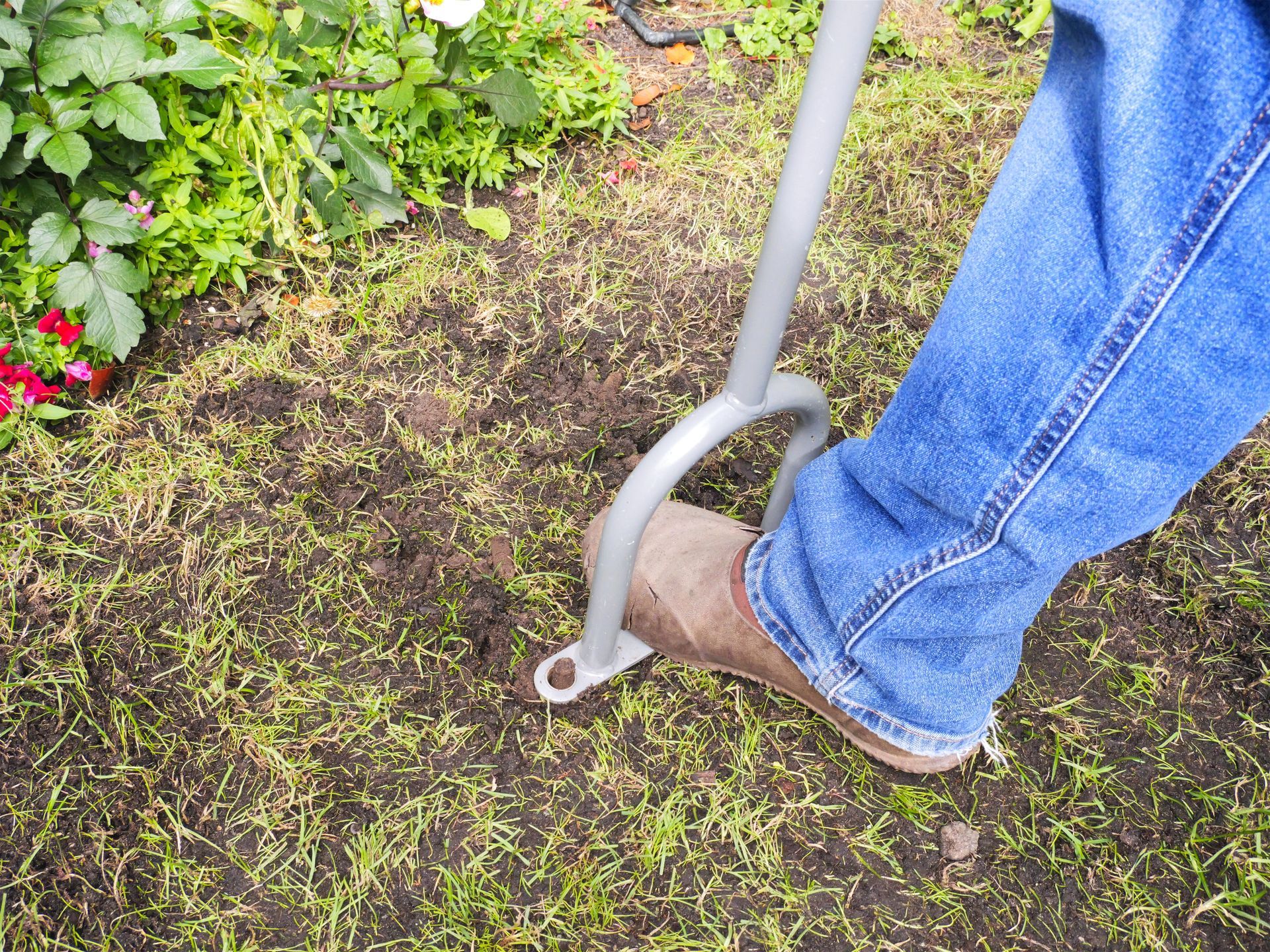
Clay soil is a reality for most homeowners across Omaha, NE, and it makes aeration a critical part of any treatment program. Clay compacts under foot traffic, lawn furniture, and even rainfall, creating a dense barrier that fertilizer and weed control products struggle to penetrate.
Without aeration, treatments tend to sit near the surface rather than reaching the root zone. Core aeration breaks up that compaction, opens channels into the soil, and allows nutrients to absorb more deeply. Skipping aeration and expecting full results from a lawn care treatment in Omaha, NE, on clay soil is one of the most expensive mistakes a homeowner can make.
Fall is often the best time to aerate cool-season turf in Nebraska. Pairing aeration with overseeding and a fall fertilization application gives roots the best chance to strengthen before winter.
Why Does Omaha Soil Make Fertilizer Less Effective?
Omaha's dense clay holds moisture unevenly and limits how easily fertilizer moves through the soil profile. A treatment applied to unaerated, compacted clay may produce little visible improvement because the nutrients never reach active roots. Regular aeration as part of your seasonal lawn program in Omaha, NE, helps fix this problem over time.
Ignoring the Drying Window After a Liquid Treatment
Liquid treatments need time to dry on the leaf surface before rain or irrigation hits them. This drying window can range from one to several hours depending on the product. In Omaha, afternoon storm activity in late spring and summer can catch homeowners off guard.
If rain falls shortly after a liquid weed control application, the product washes off before it can work. This is especially common with broadleaf weed treatments applied in May and June when storm systems move through the metro area frequently. Always check the forecast before scheduling a liquid application. If rain is expected within a few hours, reschedule or ask your provider to do so.
Ignoring the drying window often leads to repeat treatments, which costs more time and money. Tracking the forecast and coordinating with your lawn care provider gives every application the best chance to perform as expected.
Get Reliable Lawn Care Treatment Results in Omaha
Avoiding these mistakes can help you get more value from every treatment your lawn receives. Timing, soil prep, and post-treatment care all work together. Getting one of them wrong can set back progress by weeks.
Omaha Lawnscaping Solutions offers seasonal lawn care treatment programs built around what Omaha lawns actually need, including aeration, fertilization, and weed control timed to local conditions. If your lawn has not been responding to treatments the way you expected, the issue is often one of the mistakes covered here. Reaching out for professional lawn service in Omaha, NE, is a straightforward way to get your program back on track.
Call (402) 315-3540 or contact the team online to request a free estimate. You can also learn more and read reviews at Omaha Lawnscaping Solutions.
Recent Posts